
In my last post, we spent some time identifying the values we want our lives to reflect. We talked about choosing discipline over motivation and learning to make decisions based on our values instead of our emotions. (If you missed that post, go do the living your values worksheet first before you read this one.) We worked through an exercise to identify those values because when we know what matters most to us, it becomes much easier to make decisions when life gets difficult.
I’d like to build on that exercise. Open your phone and create a new photo album. We’re going to call it “Evidence”.
Most of us use our phones to capture birthdays, vacations, sunsets, our dogs, our kids, funny moments, and if we’re on a fitness journey, probably more than a few progress pictures. I actually think progress photos have value. Our bodies change so gradually that sometimes a picture helps us recognize progress we can’t see from one day to the next. But this album has nothing to do with your body. This album is about your character. It’s about documenting those moments when your actions lined up with the values you chose.
Every day we experience countless opportunities to either react from emotion or respond from our values. Sometimes those moments are obvious. Sometimes they’re incredibly quiet.
You wanted to skip your workout because you were tired, but you remembered that one of your values is honoring your health. Take a picture of your dumbbells when you’re finished. Put it in your Evidence album.
You packed your lunch instead of grabbing fast food because you made a commitment to nourish your body. Take a picture of your meal. Put it in your Evidence album.
You went for the evening walk you promised yourself, even though the couch sounded more appealing. Take a picture of your dog looking back at you on the trail. Put it in your Evidence album.
You got up at 4:00 in the morning because that was the only time your workout was going to happen before work. Take a picture of the clock. Put it in your Evidence album.
You wanted to react in anger during a difficult conversation, but instead you took a breath, regulated your nervous system, and responded with patience because that’s the kind of person you’re trying to become. Maybe the only picture you have is your cup of coffee afterward or the porch where you sat to collect yourself. Take it anyway. Put it in your Evidence album.
You wanted to numb out by scrolling your phone, but instead you opened your journal. Take a picture of the journal. Put it in your evidence album.
You wanted to say yes because you were afraid of disappointing someone, but instead you kindly honored your boundary. Take a picture while you’re walking back to your car. Put it in your Evidence album.
These photographs aren’t about the objects. They’re about the decisions. Months from now, you won’t look back at a picture of a bowl of Greek yogurt and think, “There’s my breakfast.”You’ll remember that everyone else was eating cake at the office that day and you chose differently because your long-term health mattered more than a temporary craving.
You won’t look at your hiking boots and simply remember a hike. You’ll remember that you almost stayed home.
You won’t look at the picture of your journal and think about paper and ink. You’ll remember the evening you wanted to avoid your emotions, but instead chose to sit with them because healing mattered more than distraction.
The photograph becomes a doorway back to the decision and ultimately a doorway back to yourself.
One of the things I find fascinating about neuroscience is that our brains are constantly updating what they believe about us. They aren’t listening nearly as much to what we say as they are paying attention to what we repeatedly do.
Psychologist Albert Bandura spent decades studying something called self-efficacy, our belief in our ability to meet challenges and succeed. One of the strongest ways we build that belief isn’t through positive thinking or repeating affirmations. It’s through repeated experiences of facing something difficult and discovering that we were capable of doing it.
Every time you live according to your values, you’re adding another experience for your brain to learn from. Over time, those experiences become part of your identity because you lived them.
There’s another reason I love this practice. Our brains have what’s known as a negativity bias. From an evolutionary perspective, this was incredibly helpful. Our ancestors needed to remember danger more than they needed to remember comfort. The problem is that this same tendency often causes us to remember our failures more vividly than our faithfulness.
We remember the workout we skipped. The argument where we lost our temper. The weekend we overate. The day we didn’t follow through.
Meanwhile, hundreds of moments of courage, patience, integrity, discipline, compassion, honesty, and perseverance quietly disappear because they didn’t seem important enough to remember.
The result is that many of us begin believing a story about ourselves that simply isn’t true.
“I’m not disciplined.” Or “I never stick with anything.” Or “I always give up.”
But do you?…Or is your brain simply overlooking hundreds of ordinary moments that tell a very different story?
That’s why I love the idea of an Evidence album. Photographs are powerful memory cues. When you look at a picture, your brain often recreates the experience surrounding it. You remember what happened before the picture was taken. You remember the choice you made. You remember the emotion you felt. You remember the value you chose to honor. Suddenly that ordinary picture isn’t ordinary anymore. It’s evidence.Evidence that you kept a promise to yourself, that you chose courage instead of comfort, that you acted with integrity when no one was watching. Evidence that your values were stronger than your emotions, even if only for one small moment. And those moments matter because they’re slowly becoming the story your brain tells you about who you are.
There will be days when your inner critic becomes very convincing. Days when you feel like you’re making no progress. Days when your emotions tell you you’ve always been inconsistent, that you’ll never change, or that none of your effort has mattered. When those days come, don’t ask your emotions to tell you who you are. Open your Evidence album.
Let your past self speak. Let her remind you of the mornings she got up anyway. The walks she took. The meals she prepared. The boundaries she held. The workouts she finished. The conversations she handled with grace. The moments she chose integrity over impulse. The moments she chose values over feelings.
Over time your Evidence album will begin to hold much more than workouts and healthy meals. You may find yourself taking pictures of a quiet cup of coffee before the rest of the house wakes up. A sunrise you almost missed. Muddy hiking boots after a long day on the trail. Your journal lying open after you’ve worked through something difficult. A peaceful moment in the woods. Maybe even a sunset that reminded you, in a way words can’t quite explain, that God was near. Those moments belong there too. Because this album isn’t really about fitness. It’s about becoming the kind of person who notices her own life.
The kind of person who recognizes the quiet ways she continues to show up with courage, integrity, compassion, and faith, even when no one else sees it.
And perhaps most importantly, it’s a place to return when life feels heavy or your inner critic becomes convincing. On those days, you won’t have to wonder whether you’re growing. You won’t have to rely on motivation. You won’t have to ask someone else to remind you of who you are. You’ll already have the evidence.
When your emotions tell you that you aren’t disciplined, aren’t growing, or aren’t capable, you won’t have to argue with them. You’ll simply open the album and the evidence will speak for itself.
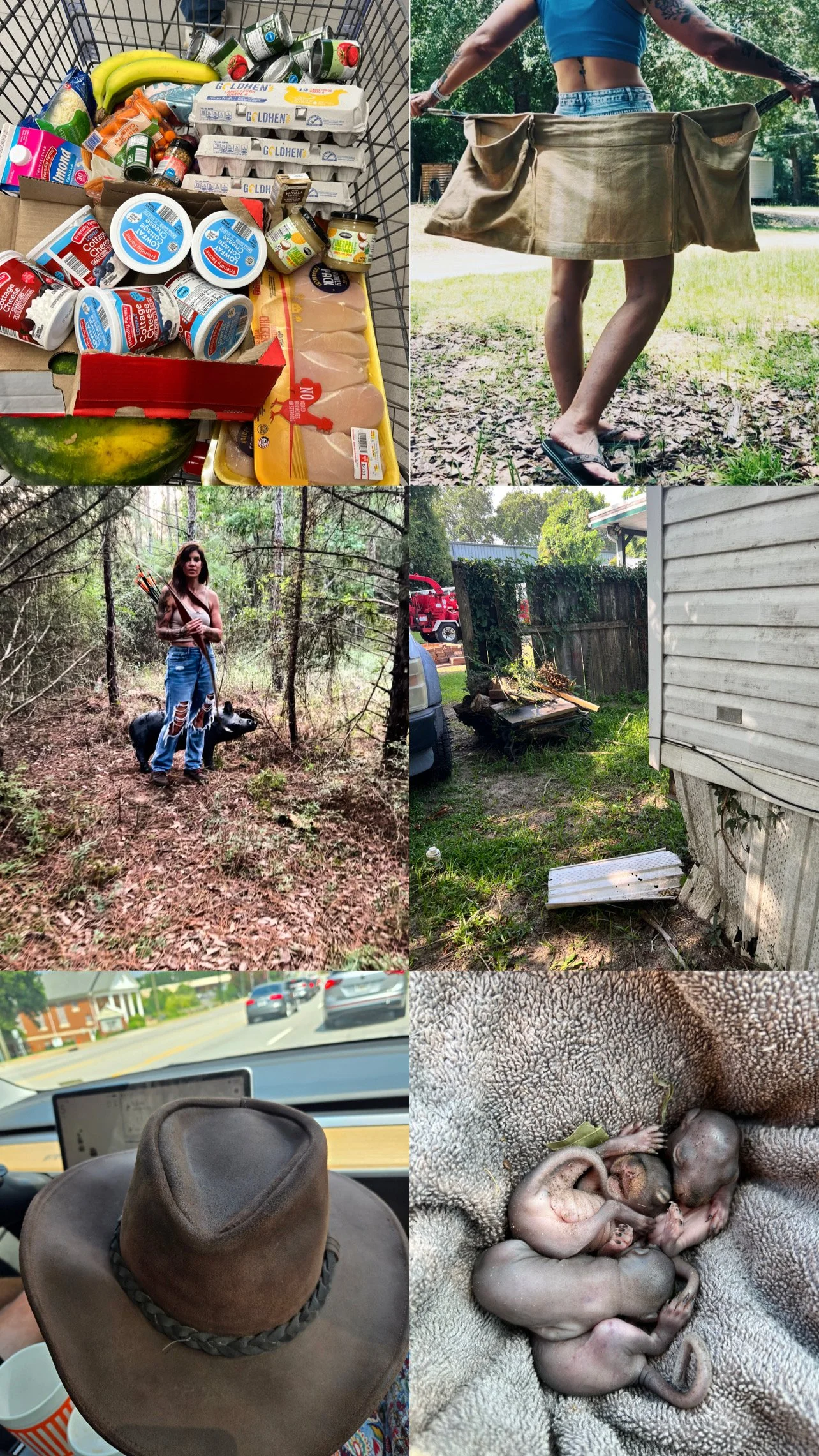
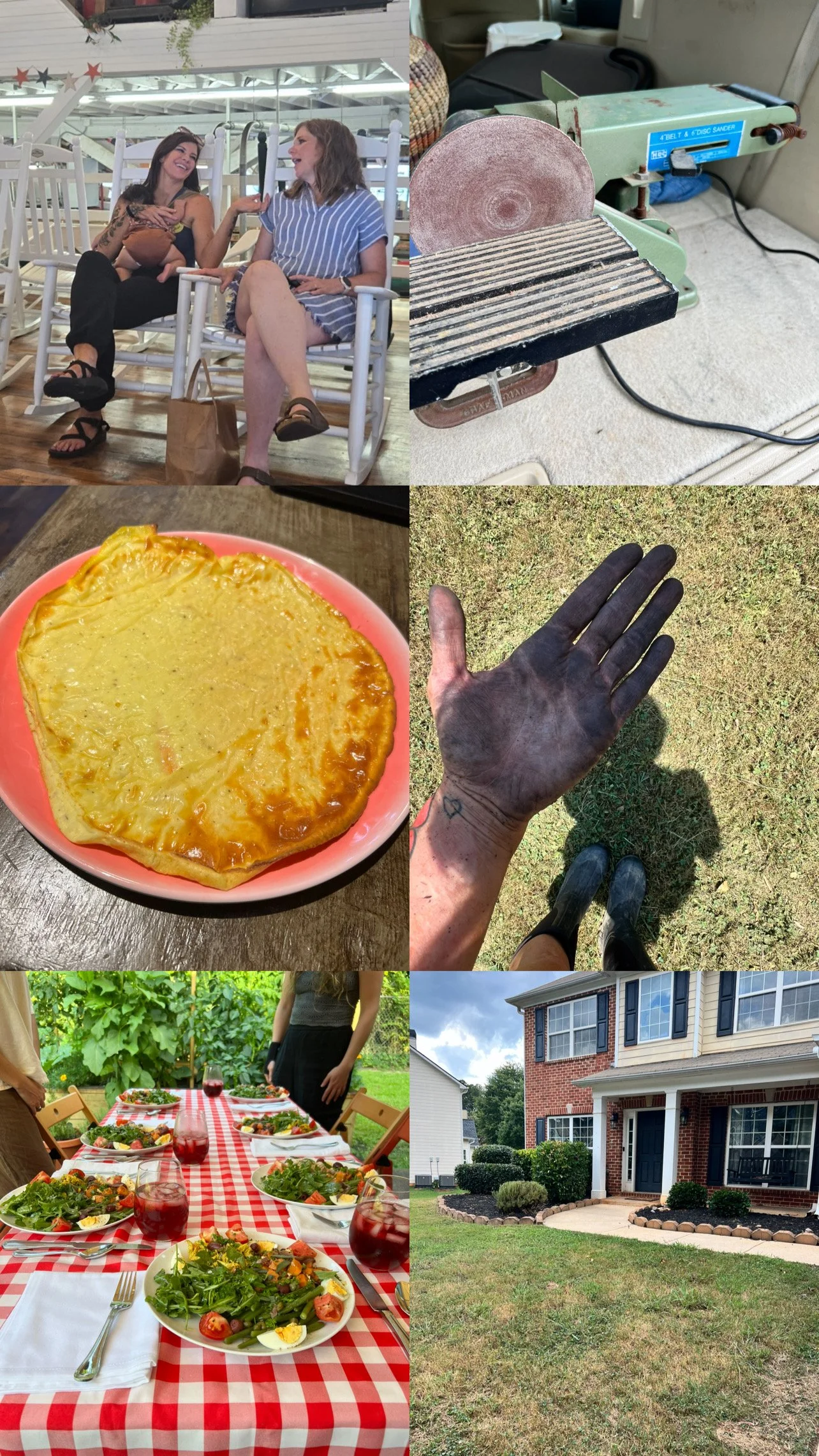
Here are a few images from my “Evidence” album. Let me know how this exercise in gathering evidence works for you. I think if done consistently, it can be pretty transformative.
Much love,
Melissa♥️